


Language and Thought Laboratory

The Language and Thought Laboratory (LPLab) at Universidad de San Andrés (UdeSA) is dedicated to the experimental study of language and other cognitive processes, communication, and human behavior. We seek to produce high-quality scientific knowledge while contributing to the training of the next generation of researchers through their active involvement in research projects.
The LPLab provides a collaborative research environment in which undergraduate and graduate students, thesis students, and recent graduates work alongside senior researchers to develop expertise in experimental design, data collection and analysis, interpretation of findings, and academic writing.
Our mission is to train young researchers in linguistics, communication, cognitive science, and the behavioral sciences through the use of experimental methodologies.
Research Areas
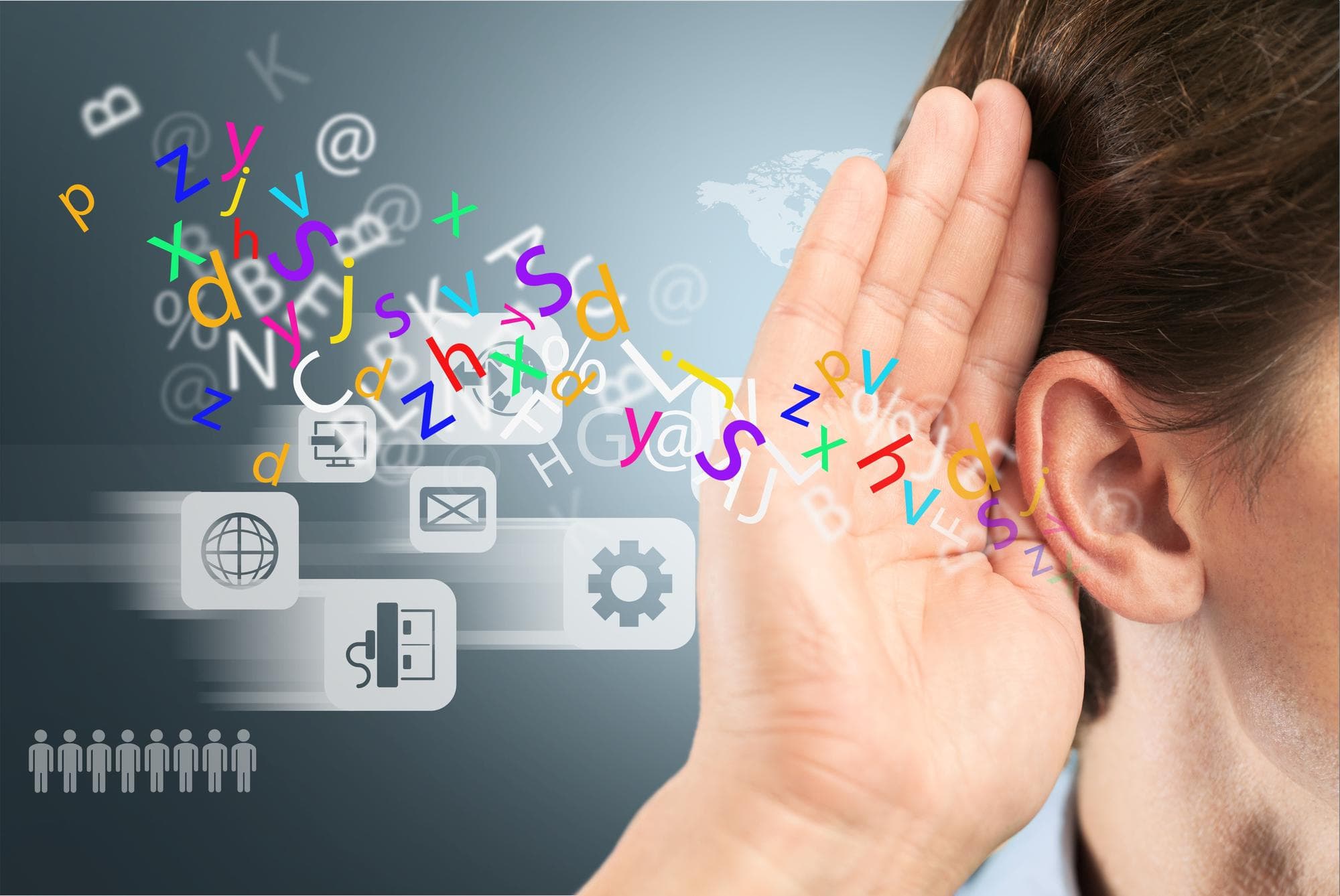
Language Processing
We investigate sentence processing in Spanish (and other null-subject languages), English, and German.
Our main research topics include:
✔ Reference processing in Spanish, English, and German
✔ Anaphora processing in Spanish, Italian, and Portuguese
✔ Processing of encapsulation in Spanish and German
✔ Processing costs associated with inclusive language in Spanish
✔ Second language (L2) sentence processing
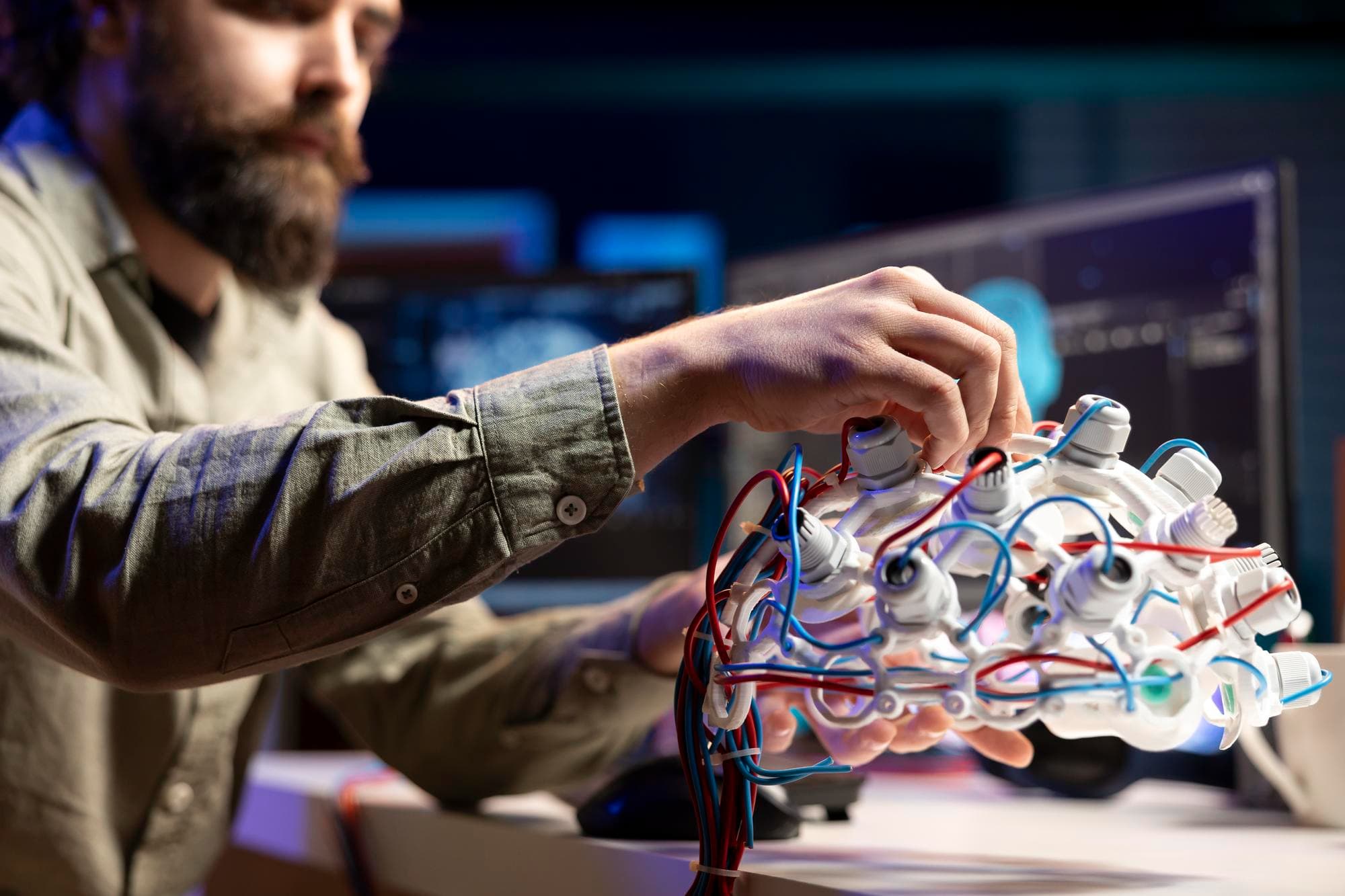
Communication and Cognitive Processes
We examine how cognitive processes shape different areas of communication and interact with a range of social and technological phenomena.
Our research topics include:
✔ Memory, divided attention, and multitasking
✔ Detection of AI-generated images
✔ Misinformation and reading comprehension
✔ Language and society
✔ Second language (L2) acquisition: transfer and interlanguage
✔ Sign language
✔ History of science and emotions
Methods
Our research areas draw on the following methodologies:
★ Self-paced reading: LPLab's core experimental paradigm for measuring and comparing reading and reaction times across different tasks, using E-Prime 3.0.
★ Electroencephalography (EEG): EEG experiments allow us to identify, with high temporal resolution, the processing costs associated with language comprehension and their underlying nature (e.g., morphological, syntactic, semantic).
★ Eye tracking: Eye tracking techniques enable us to examine the local processing costs of linguistic expressions and their impact on overall sentence reading. We also use eye tracking to investigate reading comprehension difficulties among young people in Latin America in contexts of educational inequality.
★ Mixed methods: We combine surveys, in-depth interviews, focus groups, content analysis, digital archive analysis, and other qualitative and quantitative research methods.
Members
The LPLab brings together faculty researchers, alumni, thesis students, and undergraduate students from Universidad de San Andrés who collaborate on an interdisciplinary research agenda.
We foster a collaborative research environment in which scholars from diverse disciplines and at different stages of their academic careers contribute to and learn from experimental research.

Carlos Gelormini Lezama

Ana Zarwanitzer
Researcher
zarwanitzera@udesa.edu.ar
View biography

Santiago Estremero
Lab Manager
sestremero@udesa.edu.ar
View biography

Mía Grosmark
UdeSA Graduate
mgrosmark@udesa.edu.ar

Victoria Bisdorff
UdeSA Undergraduate Student
mbisdorff@udesa.edu.ar

Paulina Seewald
UdeSA Undergraduate Student
pseewald@udesa.edu.ar

Lourdes García Ripoll
UdeSA Undergraduate Student
lripollgarcia@udesa.edu.ar

Lucila Morcillo
UdeSA Graduate
lmorcilloselgas@udesa.edu.ar
International Collaborations
Óscar Loureda Lamas Universität Heidelberg
Mathis Teucher Universität Heidelberg
Elisângela Teixeira Universidade Federal do Ceará
Romualdo Ibañez Pontificia Universidad Católica de Chile
Timothy Gupton University of Georgia
Blas Couto Universidad Favaloro
Cristóbal Lozano Universidad de Granada
Collaborating Laboratories and Institutions


